
 Home
Home JLJL33 Login
 Live Casino
 Slots
Slots Fish game
 Sports
 Promotion
 App
App News
NewsIn modern football, a yellow card is not simply a warning but also a crucial tool for referees to control the game, maintain fairness, and protect player safety. Each yellow card issued carries tactical and psychological consequences and can even directly affect the final result. Understanding what a yellow card is, which actions lead to it, and the related regulations will give players, coaches, and fans a more comprehensive view of football rules. This article by JLJL33 will analyze in detail the concept of a yellow card in football, common fouls leading to yellow cards, special regulations regarding card accumulation and cancellation, and the practical impact of yellow cards in current competitions.
What is a yellow card in football?
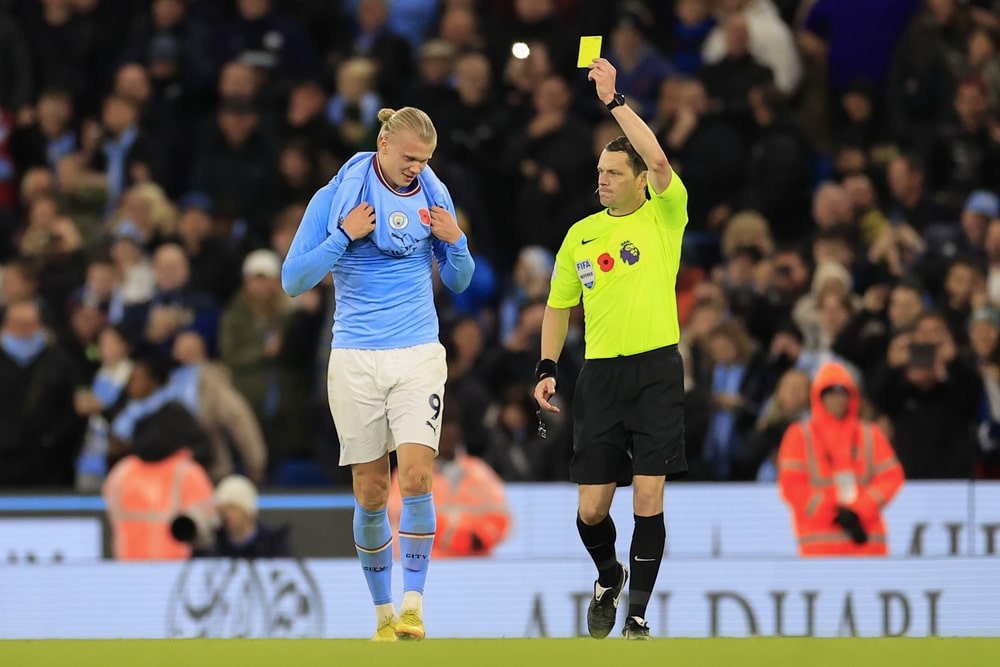
A yellow card is a disciplinary measure used by referees to warn players or coaching staff members for violating the Laws of Football as issued by the International Football Association Board (IFAB). It’s a lighter penalty than a red card, but still serves as a clear deterrent.
When a player receives a yellow card, they are not immediately sent off. However, a yellow card creates significant psychological pressure because receiving another yellow card in the same match will result in an indirect red card. Furthermore, in long tournaments, accumulating yellow cards can lead to suspensions in subsequent matches.
From a tactical perspective, a player who has been cautioned will likely play more cautiously, avoiding strong challenges or risky situations. This sometimes forces coaches to adjust positions, roles, or even make early substitutions to avoid risks for the team.
Common Behaviors Leading to Yellow Cards
Football rules clearly define the behaviors that can result in a yellow card. In reality, these fouls occur frequently in every match, from amateur to professional levels.
Tactical Fouls
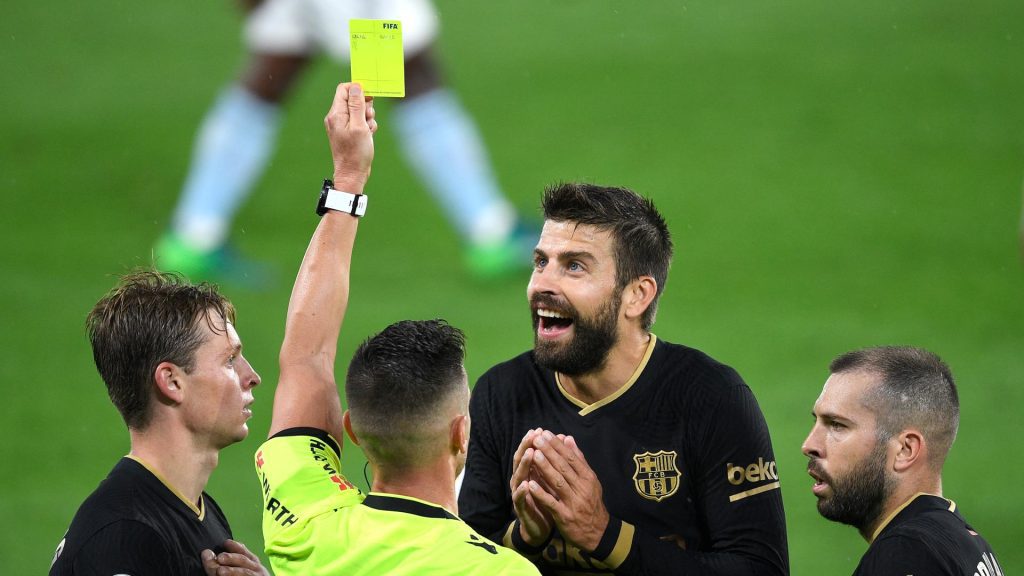
Tactical fouls are one of the most common causes of yellow cards. These are situations where a player intentionally commits a foul to prevent the opponent from launching an attack, especially during quick counter-attacks.
Typical examples include pulling a shirt, pushing, or tackling from behind when the opponent has the advantage of speed and space. Although the impact may not be too strong, due to the intentional nature and impact on the course of the game, the referee often issues a yellow card as a warning.
From a tactical perspective, many teams accept the “trade-off” of a yellow card to prevent conceding a goal. However, the overuse of tactical fouls can put a team at a long-term disadvantage.
Unsportsmanlike Conduct
Unsportsmanlike conduct includes situations that disrespect the spirit of fair play and tarnish the image of the match. These actions may include feigning injury to earn a penalty, excessive time-wasting, provoking opponents, or deliberately playing the ball after the referee has blown the whistle.
With the increasing development of refereeing technology, unsportsmanlike conduct is becoming more difficult to detect by match officials. A yellow card for this offense not only affects the individual player but also negatively impacts the team’s image.
Negative Reactions Towards the Referee
Negative reactions to a referee’s decisions are quite common, especially in tense matches. Actions such as arguing, gesturing protests, using disrespectful language, or surrounding the referee can all result in a warning.
The current Laws of Football emphasize the role and authority of the referee in officiating the match. Therefore, excessive reactions are generally not tolerated. Staying calm, accepting the decision, and continuing to play are crucial factors in helping players avoid unnecessary yellow cards.
Special Regulations Regarding Yellow Cards in Football
Besides direct warnings during a match, yellow cards in football are also associated with many special regulations aimed at controlling player behavior throughout the season or tournament.
Accumulating Yellow Cards
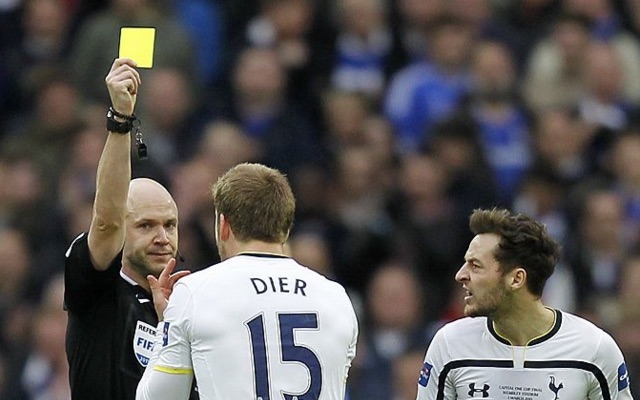
In most leagues, players will be suspended when they accumulate a certain number of yellow cards. The specific number may vary depending on the league, but the most common is a one-match suspension after receiving a certain number of cards.
This regulation forces players to maintain discipline in their play and avoid unnecessary behavior. At the same time, coaches must closely monitor each player’s card count to make appropriate rotation plans, especially during crucial stages.
Yellow Card Clearance in the League
Some leagues have a rule that clears yellow cards after a certain period, usually after the end of an important round. The purpose of this rule is to ensure that key matches feature the best players, limiting the shortage of players due to suspensions.
However, clearing cards does not mean that players can play recklessly. Penalties in each match are still strictly applied to maintain order and fairness.
Two Yellow Cards in the Same Match
When a player receives two yellow cards in the same match, they are sent off with an indirect red card. The team then has to play with one less player for the remainder of the game, which often creates a significant disadvantage in terms of gameplay.
Playing with one less player not only affects defensive capabilities but also significantly limits attacking options. Therefore, controlling one’s behavior, especially after receiving a yellow card, is a mandatory requirement for every professional player.
Yellow cards play a crucial role in maintaining discipline and fair play in football. From tactical fouls and unsportsmanlike conduct to negative reactions, each yellow card carries clear tactical and psychological consequences.