
 Home
Home JLJL33 Login
 Live Casino
 Slots
Slots Fish game
 Sports
 Promotion
 App
App News
NewsWhat is injury time in football? Injury time in football is a term many fans ask about when watching exciting matches. This is the extra time added by the referee after each half to compensate for minutes of interruption during the game. Although it only lasts a few minutes, injury time can become a decisive factor, creating spectacular comebacks or completely changing the course of the match. Let’s learn about injury time rules with JLJL33!
What is injury time in football?
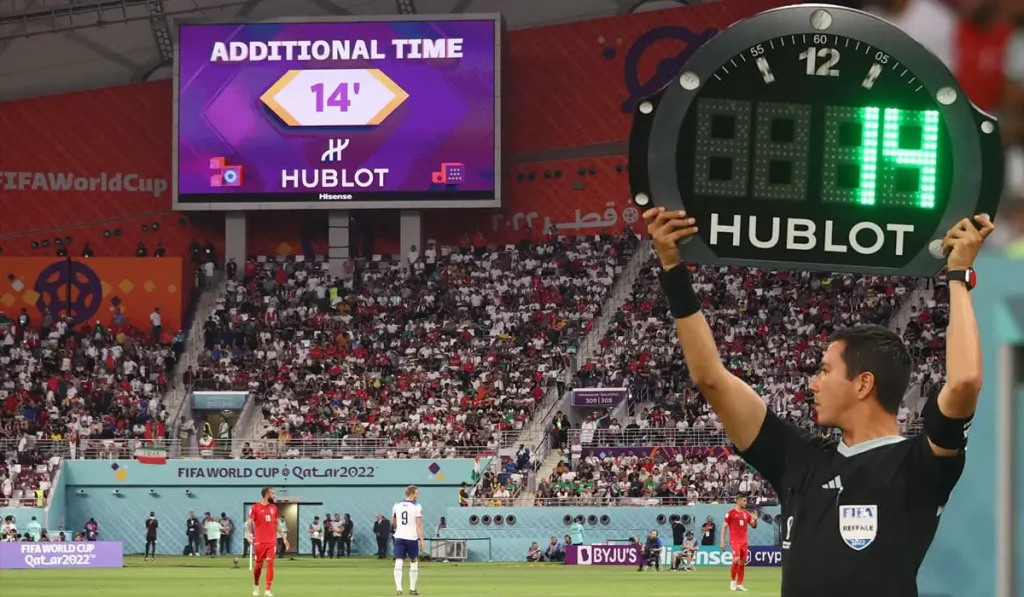
Injury time in football, also known as added time, is the amount of time added by the referee at the end of each half to compensate for minutes of interruption not included in the official time. The main purpose of adding extra time is to ensure that the match has a total actual playing time of 90 minutes (45 minutes per half) as stipulated by the rules of football, regardless of interruptions such as injuries, substitutions, or disputes.
Increased time is not just a technique but also plays a crucial role in creating pivotal moments in a match. Goals scored in injury time often evoke intense emotions in fans and can determine the outcome. Therefore, understanding the rules and how injury time is calculated is essential to fully grasp the match’s progression.
Regulations on Injury Time in Football
Increased time in football is strictly regulated by the International Football Federation (FIFA) and applied uniformly in professional leagues worldwide. Here are the key points regarding injury time regulations:
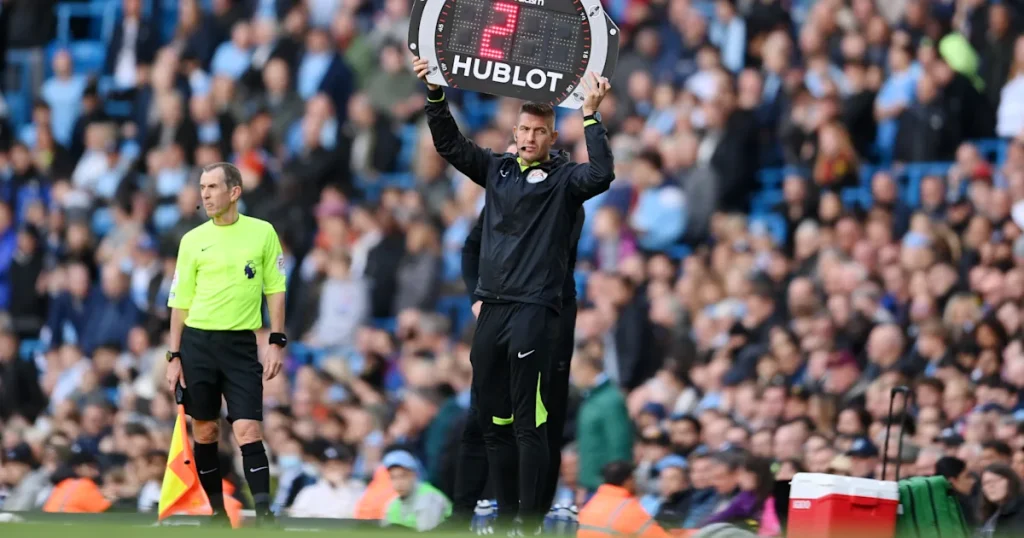
Cases that result in injury time
Injury time is determined based on the minutes of interruption that occur during the match. Some common situations include:
- Injuries and medical care: When a player is injured and requires medical assistance, the match must be temporarily stopped. This time will be counted as injury time.
- Substitutions: Each substitution usually takes about 20-30 seconds, depending on the position and speed of the player entering/leaving the field.
- Intentional time-wasting: This includes actions such as a goalkeeper being slow to kick the ball, a player lying on the ground for an extended period, or intentionally delaying play; all of these are added to injury time.
- Fouls and free kicks: Free kicks, corner kicks, throw-ins, or slow ball handling also cause interruptions in the match and are counted as injury time.
- Video Assistant Referee (VAR): VAR reviews of controversial situations can take several minutes, and this time is added to injury time.
Injury Time Calculation
Injury time is determined and announced by the referee before the end of each half. The fourth official usually assists in estimating the exact time based on any interruptions that have occurred. Typically, injury time ranges from 1 to 7 minutes per half, depending on the number and severity of interruptions.
Extra Time Regulations
In knockout matches, when the score is tied and extra time is required, injury time is also applied for every 15 minutes. Extra time in extra time is usually less due to the slower pace of the game, fewer interruptions, and players tending to play more cautiously.
The Significance of Injury Time in Football
Injury time is not just a technical requirement but also carries significant meaning, profoundly affecting the tactics and emotions of the match:
Ensuring Fair Play
Injury time helps balance the actual playing time between teams, ensuring every minute is counted despite unforeseen circumstances. This is an essential element, preventing time-wasting and ensuring the match result accurately reflects the abilities and efforts of the teams.
Creating Opportunities for Comebacks
Injury time is always a tense and dramatic moment, when teams can utilize the extra time to score decisive goals or protect the score. Many historical moments in football, such as Sergio Agüero’s goal that helped Manchester City win the Premier League in 2012, occurred in injury time, creating unforgettable memories.
Impact on Tactics
Managing injury time plays a crucial role in the tactics of coaches. The team leading can play solid defense, keeping possession to waste time, while the trailing team will push forward in search of an equalizer. The astute use of injury time gives the team a significant tactical and psychological advantage.
Controversies Regarding Injury Time in Football
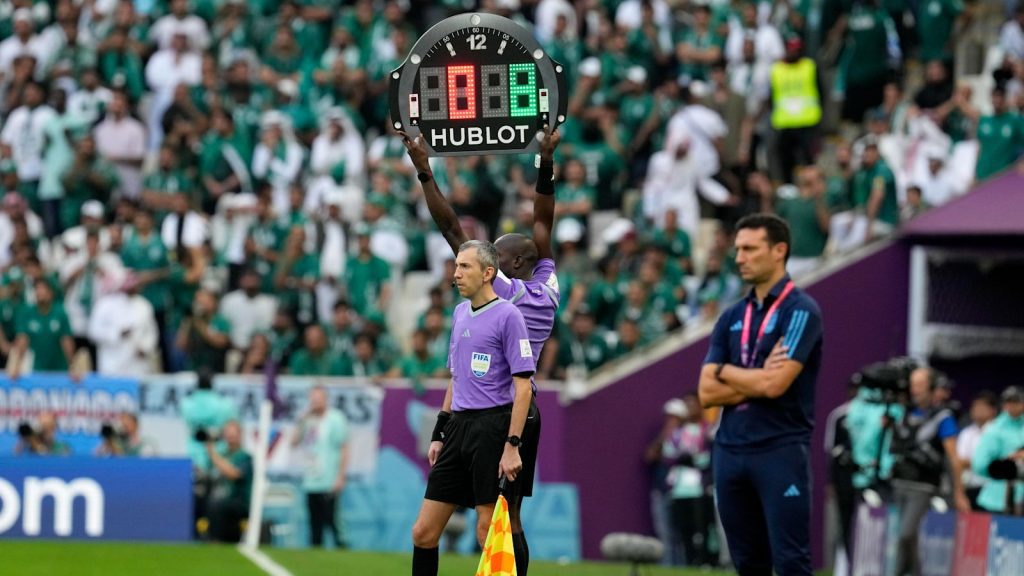
Although a necessary rule, injury time has also generated much debate and conflicting opinions within the football community:
Accuracy: The current method of calculating injury time depends on the referee’s subjective assessment, leading to inconsistencies between matches. Some matches have many interruptions, but the injury time is short, or vice versa.
Impact on Results: Goals scored in injury time can completely change the outcome, sometimes causing controversy over fairness. Fans and coaches sometimes believe that referees may be biased or inconsistent in their decisions.
Improved Solutions: Some propose using real-time clocks (similar to basketball) to accurately track the actual playing time, avoiding reliance on referees’ subjective judgment. However, this idea faces much opposition as it could disrupt the continuity and inherent appeal of football. FIFA and other organizations are testing new technologies and monitoring methods to increase accuracy.