

 Home
Home JLJL33 Login
 Live Casino
 Slots
Slots Fish game
 Sports
 Promotion
 App
App News
NewsSolitaire is one of the most popular card games in the world, especially familiar to computer and mobile device users. Without requiring a direct opponent and not relying heavily on luck, Solitaire attracts players with its strategic gameplay, requiring observation, memory, and strategic calculation for each move. Over the years, this game has maintained its strong appeal and continues to be improved to suit modern entertainment habits. Knowing the rules of the Solitaire game is essential for beginners. In this article, JLJL33 will explore the details of the Solitaire game rules.
Overview of the Solitaire Game
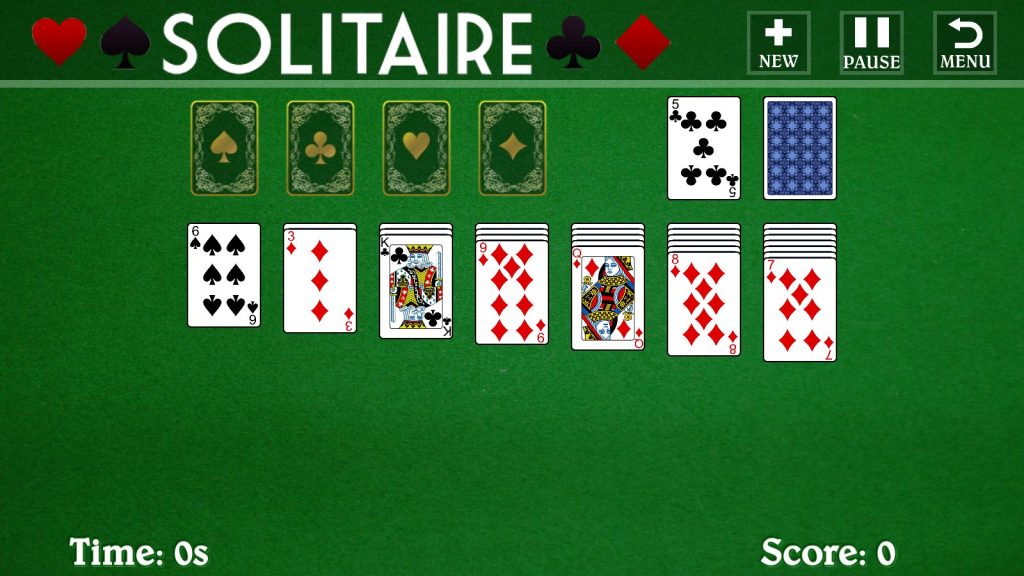
Solitaire is a game using a standard 52-card deck, designed for a single player. The main objective is to arrange all the cards in the correct order and according to the established rules, by moving the cards between columns and reserve areas. The game may seem simple, but it requires high concentration, analytical skills, and long-term thinking.
Currently, there are many variations of Solitaire; however, the most popular version remains the traditional arrangement with 7 main columns. This article focuses on the standard gameplay, suitable for most platforms and applications today.
Detailed Solitaire Game Rules
To play Solitaire effectively, mastering the game rules is essential. Understanding the game’s principles will help players avoid mistakes and proactively develop sound strategies from the start of the game.
How to Start a Game
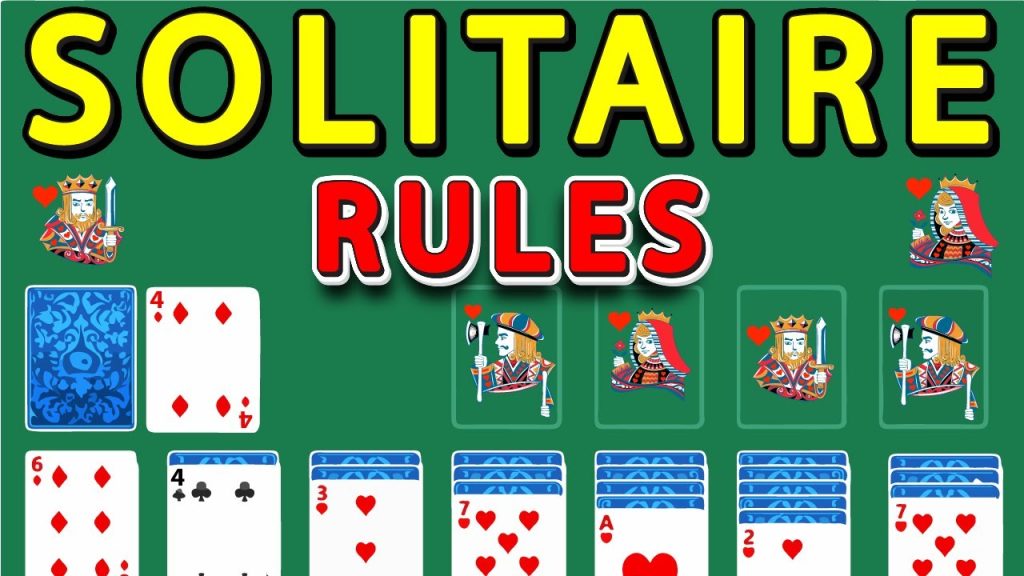
When the game begins, the system automatically deals the cards according to a fixed structure, including:
28 cards arranged into 7 columns, with the number of cards increasing from left to right. The first column has 1 card, the second has 2 cards, and so on until the seventh column has 7 cards.
In each column, only the top card is face up; the cards below are face down.
The remaining 24 cards are placed in the reserve area, used for drawing when there are no valid moves on the table.
This card-dealing method creates a certain level of difficulty from the start, forcing players to carefully consider each move to gradually reveal the face-down cards and expand their strategic options.
Basic Card Arrangement Principles – Solitaire Game Rules
In the Solitaire game, the cards are arranged in descending order and alternating colors. Specifically:
Cards must be arranged in order from King to Ace.
The colors of adjacent cards must alternate between red and black.
Only the King (K) can be placed in an empty column.
Players can move a single card or a sequence of cards that have been correctly arranged to another column if the conditions are met. After each move, if the face-down card is released, it will automatically be flipped face up, opening up a new opportunity.
Use reserve cards wisely
When there are no valid moves on the table, players can draw cards from the reserve pile. These cards will be flipped face up in order and can be placed into the columns being arranged if they comply with the rules.
It is important to note that once cards are flipped from the reserve pile, they cannot be turned face down again. Therefore, the use of this card source needs to be carefully calculated, avoiding overuse that could lead to a stalemate at the end of the game.
Game Ending Conditions
A Solitaire game ends when a player completes arranging all the cards in the correct positions according to the rules. In many versions, the score is calculated based on:
The number of cards correctly arranged in complete columns.
The number of valid moves.
The time taken to complete the game.
If there are no more valid moves and all reserve cards have been used, the game ends and is considered incomplete.
Strategies and Thinking Skills in Solitaire
Solitaire is not just an entertaining game but also a test of logical thinking and decision-making ability. Experienced players usually don’t move cards randomly but always have a clear plan for each stage.
Prioritizing Revealing Face-Down Cards
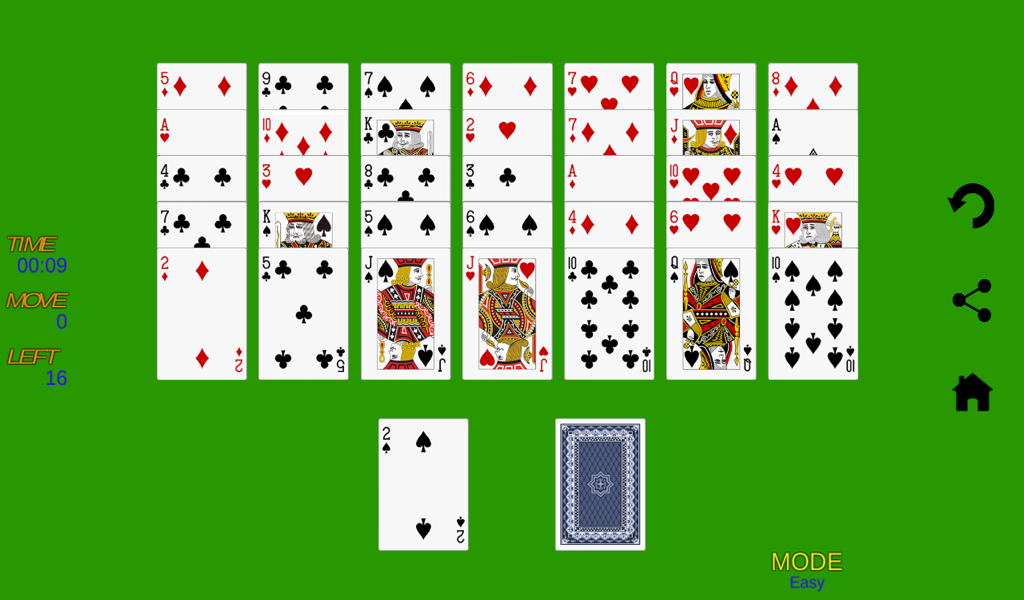
One of the most important strategies is to focus on revealing as many face-down cards as possible. This provides players with more information, allowing them to make more accurate decisions in subsequent turns.
Don’t rush to fill empty columns
Empty columns are a huge tactical advantage in Solitaire. Therefore, players should not rush to place King cards in empty columns unless necessary. Keeping columns empty for as long as possible offers more flexibility in arranging and rearranging card sequences.
Calculate ahead
Before making any move, take time to analyze how that action will affect subsequent turns. A legally sound but poorly calculated move can leave a player in a difficult position in the final stages.